

Janna Grier makes yearly trips to a solar farm near Calgary, Canada during summer with her flock of sheep and a small group of pigs in tow. They’re there to eat grass and weeds. This is no ordinary endeavour though. The solar farm needs motivated workers to chomp through vegetation that could otherwise block the solar panels from the sun leading to lower power outputs. Previous attempts made to address the growth using herbicides, lawn mowers and tractors were time consuming and needed lots of manpower. It’s safe to say the new team took to their jobs with gusto.
Janna’s team is leading an emerging field of farming called agrivoltaics, or ‘farming under solar panels’. The concept has significant benefits for energy and food security around the world including in Australia. Having animals graze beneath solar panels:
• increases land efficiency with farming and solar panels co-existing together,
• enhances crop yield with the shade from the panels protecting crops from heat, sunlight, wind and reducing water evaporation,
• increases and diversifies income streams for farmers, and
• minimises carbon footprints from traditional farming and mining for fossil fuels.
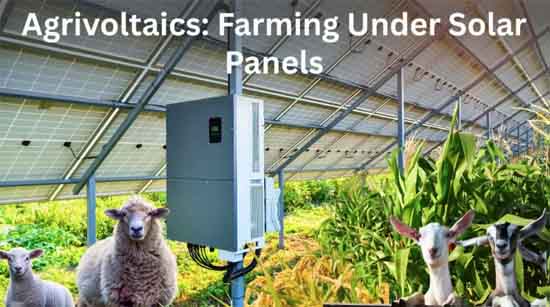
Both Janna and researchers are at the forefront of testing out new agrivoltaics ideas to make their efforts even more efficient. For example, when Janna introduced Kunekune pigs from NZ, she found they eat things left over by the sheep including parasites and worms and so interrupt their lifecycle. The pigs are grazers and not diggers and very complimentary to the sheep. Canadian universities are also testing ways for land to be optimised including for cattle production and crops such as spinach and strawberries alongside solar farming.
Dr Madeline Taylor, Senior Lecturer at the Macquarie Law School, argues it is a key method for Australia to reach its emissions reduction target of 48% and renewable energy target of 82% by 2030. She said, “Allocating land to solar energy has generated growing concern in rural communities on its impact to agriculture, and in the race to net zero, it is critically important for Australian governments to invest in agrivoltaics to address these conflicts and balance the needs of communities.”
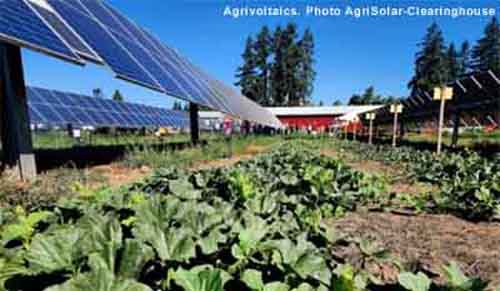
While industrialisation and AI appear to be at the forefront of ‘new age’ work, this example shows that animals are capable of holding their own and with even better results.