

The QR code was born of a simple idea – the need for a more efficient barcode. In 1992, Masahiro Hara worked for a Toyota subsidiary Denso Wave in Japan and was tasked with finding a way to streamline manufacturing processes. Back then, workers had to scan up to 1000 traditional barcodes daily. Scanning barcodes with limited stored information took too much time and didn’t support Japanese script or characters making the process highly inefficient.
He found inspiration from a simple past time. During a game of ‘Go’ which uses black and white stones on a grid, he realised that two-dimensional patterns could hold far more information than one-dimensional barcodes. While traditional barcodes held 20 alphanumeric characters, two-dimensional barcodes could hold 4296 characters including Japanese characters. Even better, the QR code could be scanned from any angle with up to 30% of the barcode being blocked, earning them their full name of the ‘Quick Response’ code.
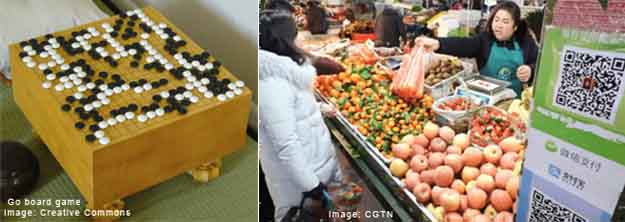
While they were quickly adopted across Japan, it took some time before the QR code became a global staple. With the advent of camera phones, smart phones and the COVID-19 pandemic, the QR code became an essential in everyday life from restaurant menus, healthcare, public services and payments.
The QR code has had an impact well beyond what was expected. QR codes have helped to catalyse cashless payments amounting to trillions of dollars each year. A survey found 79% of users were more likely to buy a product if it contained a QR code leading to more information sharing on nutrition, safety, allergens and recall alerts. There is also a push by global conglomerates such as Procter and Gamble to replace traditional barcodes with QR codes by 2027 such is their appeal.
The creators waived their rights to royalty fees from QR code use in order to help widespread adoption. On that decision, Masahiro may have some regrets stating “We don’t receive a commission each time it’s used. If only that were the case.”